
Ben & Ciarán Conroy · County Laois
Two brothers who hate a bad ball
Conroy Sliotars started the way most good hurling things do — with a complaint. Cheap cores, plastic covers, rims like razor shells. So we started making the ball we wanted to play with, and we haven’t compromised on it since: we simply don’t sell sliotars made from cheaper materials.
Today Conroy balls — from the flagship Illuminous Size 5 to personalised club balls — are struck in hurling and camogie matches and training sessions across Ireland, and posted to hurling people in London, America and Australia. Not sure which ball you need? Start with our sliotar sizes guide.
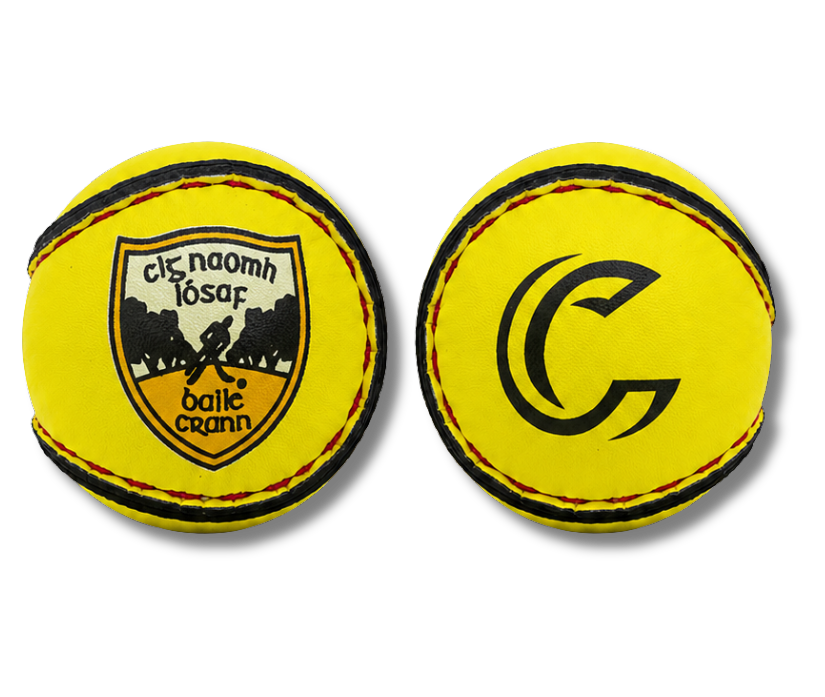
Made in four honest steps
1
The core
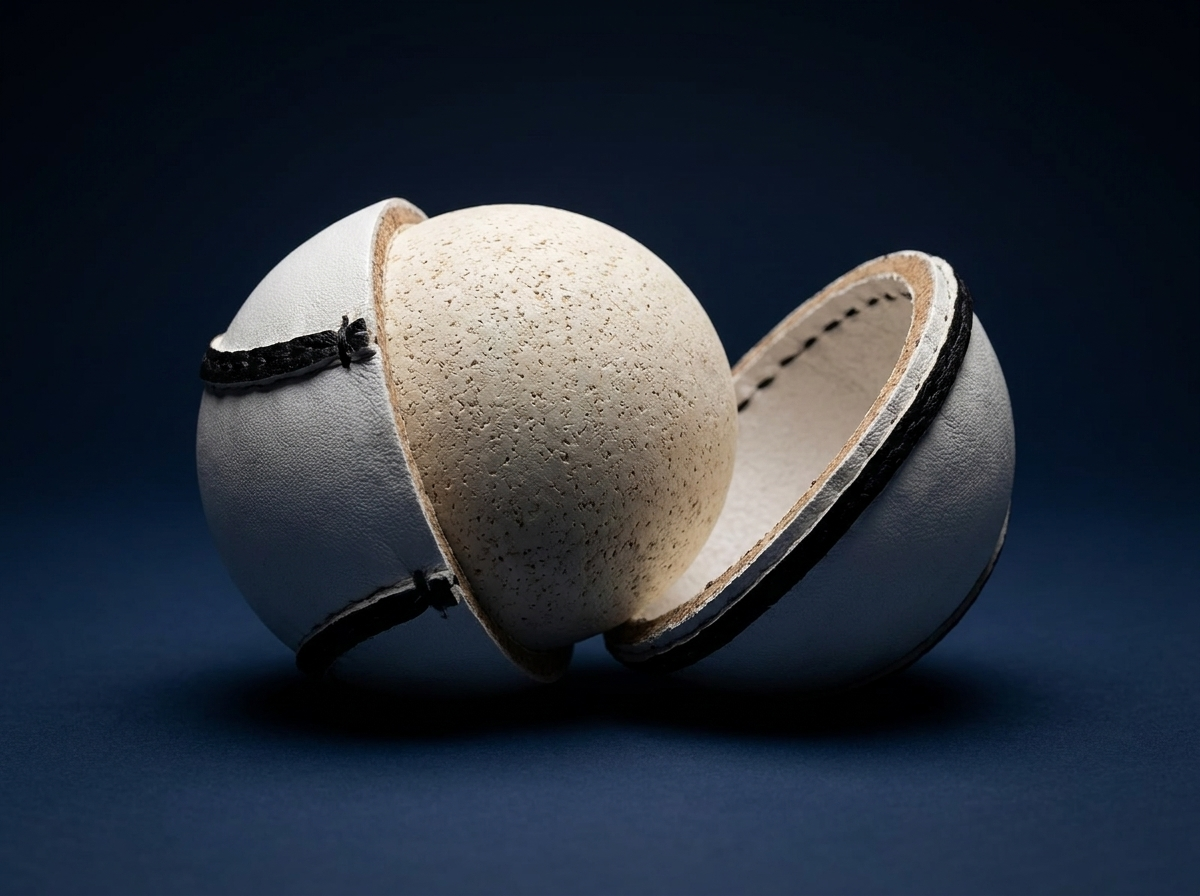
Every ball starts with a polyurethane core — official weight, consistent density, true rebound. It's why a Conroy ball comes off the hurl the same way in April and October.
2
The leather
Real leather covers, cut and fitted by hand. Leather grips in the wet, wears in rather than wearing out, and never gets the plastic shine that skids off a bas.
3
The stitching
Rims stitched by hand, kept deliberately low-profile — a clean overhead catch shouldn't sting. Hand stitching is slower. It's also why the ball holds its shape.
4
The check
Every ball is checked by hand before it's boxed. If we wouldn't strike it ourselves, it doesn't go in the post.

“Best quality sliotar in Ireland at the moment. Great to see them used in inter-county games.”
Polyurethane core
A solid PU core at match weight and density. True rebound off hurl, hand and ground — and it doesn't soften when the pitch turns to soup.
Checked. Every single ball.
Weight, size, rebound and rim — every Conroy sliotar is checked by hand before it goes anywhere near a post bag. That care is the reason hurlers and camogie players call them the best in Ireland.
Shop the range