
What’s inside a sliotar? The core, the cover and the rims explained
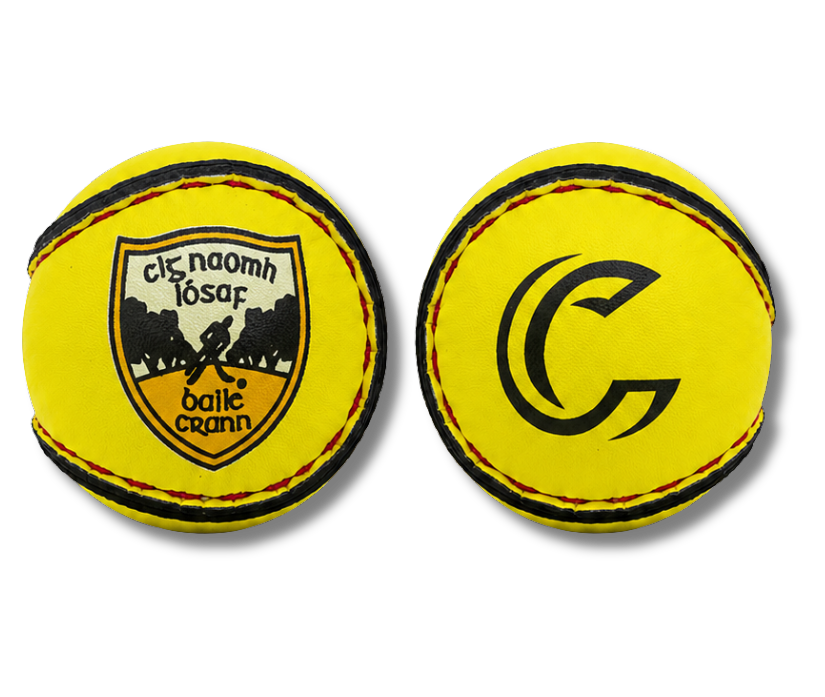
Every hurler has wondered it mid-puck-around: what is actually inside this thing? Cut a sliotar open and there are only three parts that matter — and the difference between a good ball and a cheap one lives in all three.
The core
Traditional sliotars were built around cork wrapped in yarn. Most modern match balls, ours included, use a solid polyurethane core instead: it is moulded to a consistent weight and density, so every ball rebounds the same way off the hurl, the hand and the ground. That consistency is the whole point — a cork-and-yarn core can absorb water and deaden on a wet day, while a solid core plays the same in April and October.
The cover
The cover is where cheap balls give themselves away. A real leather skin grips in the rain, wears in with play and keeps its touch; a plastic or PVC cover goes shiny, skids off the bas and hardens in the cold. Run your thumb across the surface: leather has a grain you can feel.
The rims
The two raised seams are the rims — they are what your fingers find on a high catch and what bites on the strike. On our balls the rims are stitched by hand and kept deliberately low-profile: proud enough to grip, low enough that a clean overhead catch does not sting. Machine-stitched rims tend to sit higher and break down sooner.
Why it matters
Weight, rebound and rim height are what make a ball feel “true”. When any one of them is off, you feel it instantly — the ball flies short, sits up wrong, or slips the catch. That is why we check every ball by hand before it ships. You can read more about how we build ours on Our Craft.
Want to feel the difference? The Illuminous Size 5 is our flagship match ball — and if you are not sure which size you need, start with the sliotar sizes guide.